Have you ever seen a manatee?
These gentle, slow-moving “sea cows” can grow up to 10 feet long and weigh between 800 and 1,200 pounds. While some remain in Florida year-round, winter is when they become much easier to find. As water temperatures drop, manatees gather in Florida’s warm-water springs, creating one of the state’s most remarkable wildlife experiences.
I’d spotted manatees before in the Indian River Lagoon. Usually it was just a nose breaking the surface or the faint imprint of a tail disappearing beneath the water. Enough to know they were there, but never enough to truly appreciate them.
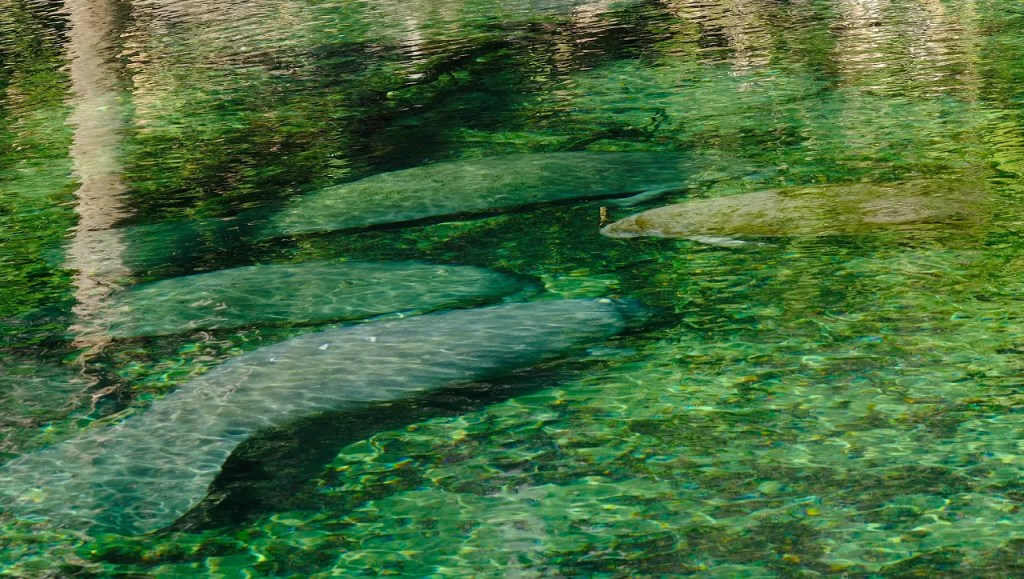
Then my husband heard that more than 800 manatees had gathered at Blue Spring State Park, during the winter, about two hours from where we were staying on Florida’s Space Coast.
That was all the encouragement we needed.
A few days later, we found ourselves driving to Orange City to see what all the excitement was about. What we discovered was far more than a place to view manatees. Between the crystal-clear spring run, a beautifully preserved historic home, and hundreds of manatees floating beneath the water’s surface, Blue Spring State Park became one of our favorite Florida day trips.
If you’re planning a visit, here’s everything you need to know.
Why Manatees Gather at Blue Spring State Park
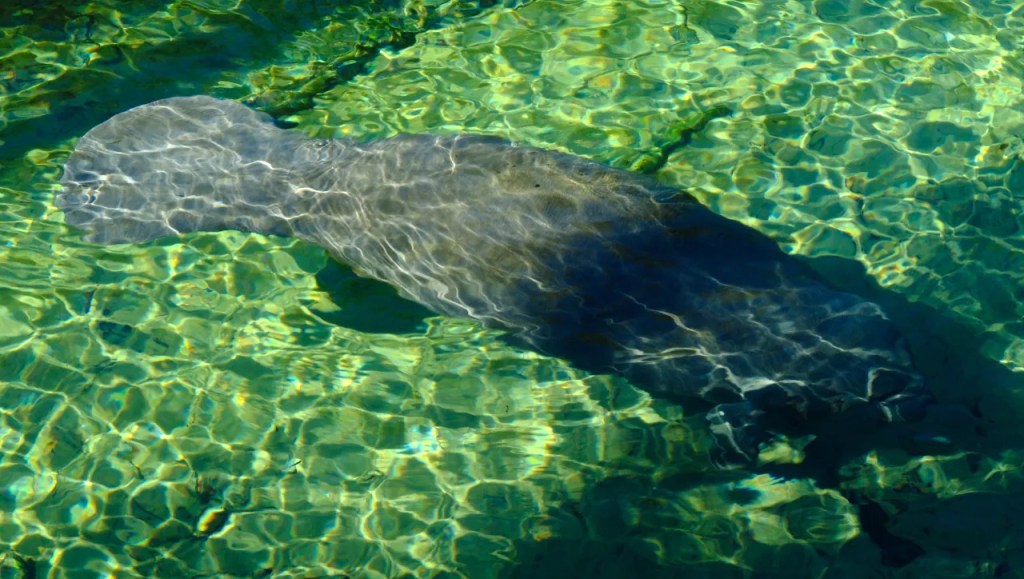
Located near Orange City, Florida, Blue Spring State Park is one of the most important winter refuges for the West Indian manatee.
The spring releases approximately 104 million gallons of crystal-clear water every day at a constant temperature of around 72 degrees. While that may sound cool for swimming, it’s perfect for manatees, which have very little body fat and struggle when water temperatures remain below 68 degrees for extended periods.
As winter arrives, manatees leave colder waterways and gather in warm springs throughout Florida. Blue Spring is one of their favorite destinations.
Florida Fish and Wildlife estimates there are between 8,350 and 11,730 manatees in the state. During particularly cold weather, more than 700 manatees can gather in Blue Spring Run at one time.
When Is the Best Time to See Manatees?
If your primary goal is seeing manatees, visit during winter.
Best Months: January and February
January and February are generally the best months to visit Blue Spring State Park. Cooler temperatures drive more manatees into the spring, often creating the largest gatherings of the year.
Manatee Season
- November through March: Excellent chances of seeing manatees
- January through February: Peak viewing season
- April through October: Most manatees return to the St. Johns River and other waterways
Many visitors are surprised to learn that the manatees aren’t there year-round. If you’re visiting in summer, Blue Spring is still beautiful, but you likely won’t see the large concentrations of manatees that make the park famous.
What We Saw During Our Visit
Blue Spring State Park gets busy for good reason.
We arrived around 9:30 a.m. and only waited behind a handful of cars to enter. By the time we left shortly after 1 p.m., a line of more than 30 vehicles had formed outside the entrance.
If you’re visiting during peak season, arrive before 10 a.m. Earlier is even better.
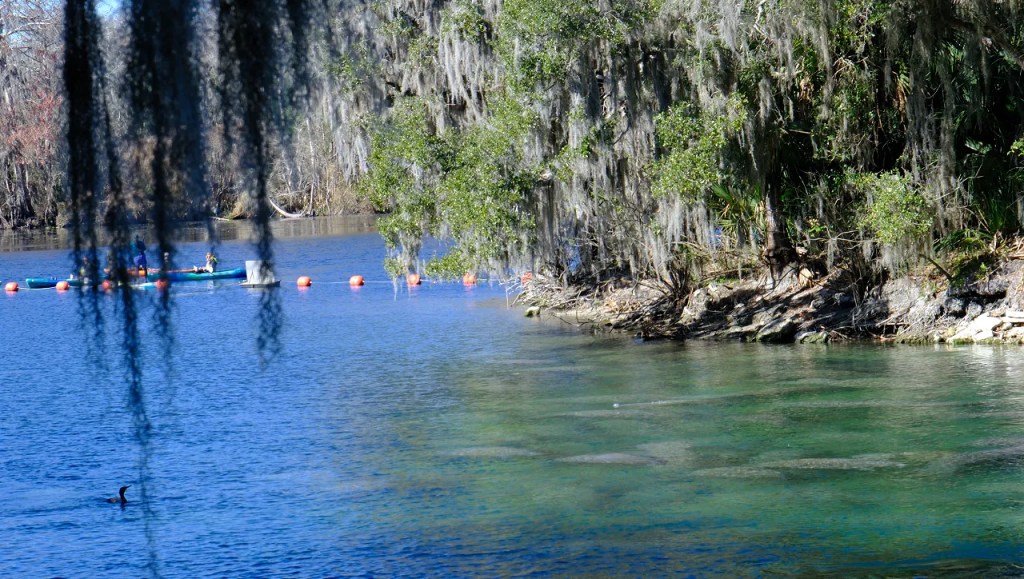
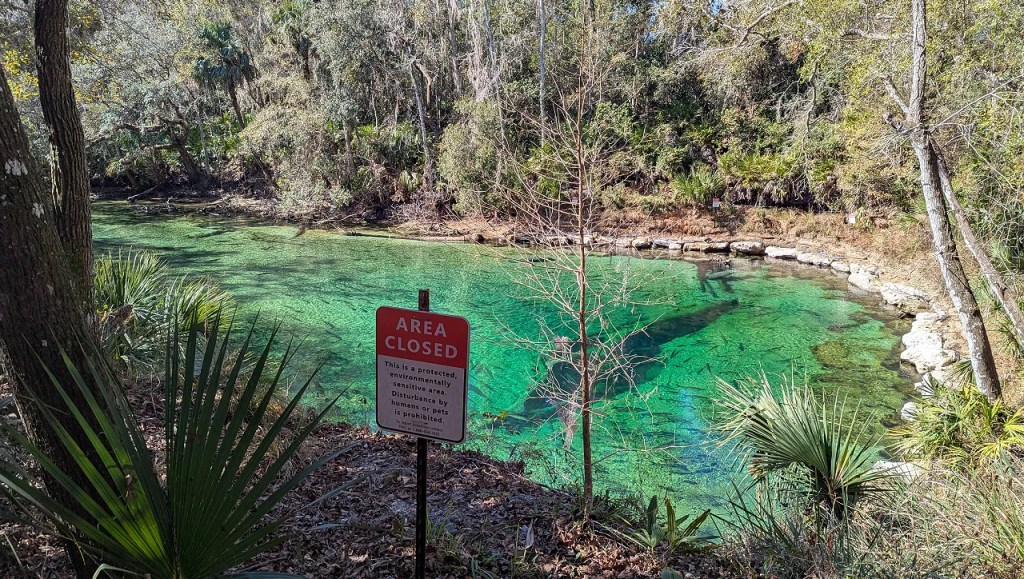
The park has two parking areas connected by an elevated boardwalk that follows Blue Spring Run toward the St. Johns River. Almost immediately, we started spotting manatees.
Not one or two.
Dozens.
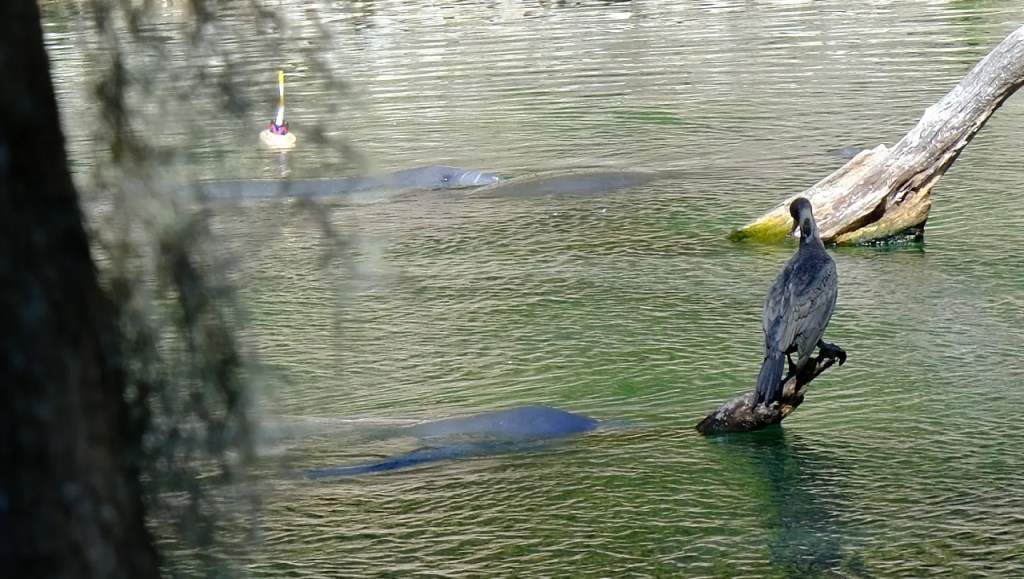
As we walked farther along the boardwalk, the numbers kept growing. Some manatees drifted quietly beneath the surface. Others surfaced for air before slowly disappearing into the clear water again. A few seemed curious about the birds perched nearby.
The water itself was astonishingly clear. Looking down from the boardwalk, we could easily see the manatees below, along with fish, aquatic plants, and turtles.
One of my favorite moments was watching several manatees gathered beneath a double-crested cormorant that seemed completely unbothered by the giant mammals swimming around it.
We even spotted an alligator resting along the shoreline.
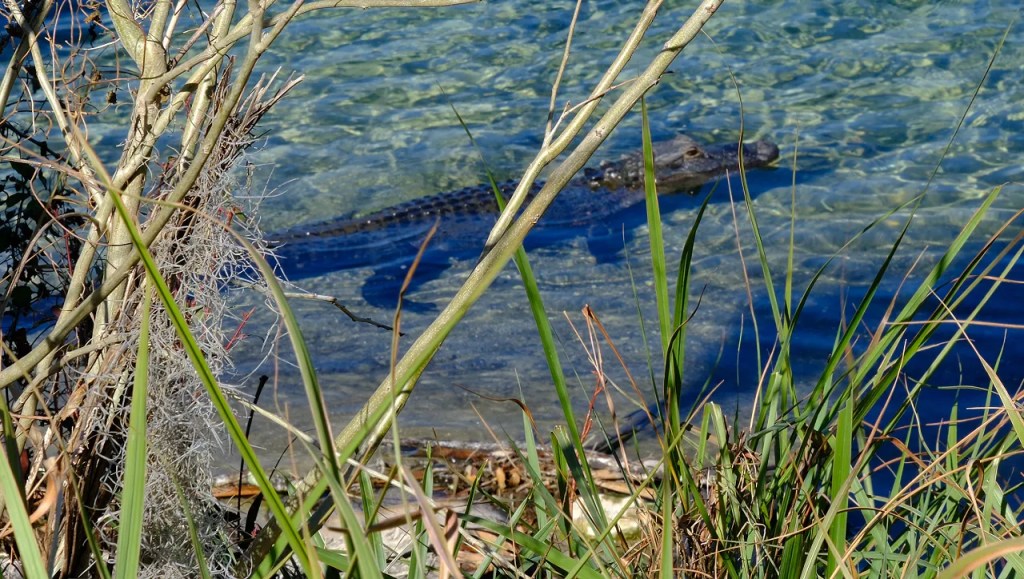
The largest concentrations of manatees appeared in the spring run between the two parking areas. Near the actual spring head, we only saw a couple. Wherever you stop along the boardwalk, though, you’ll likely find plenty of opportunities to watch these gentle giants.
I explore places like this every Thursday. Join Weekly Journeys for hidden gems, historic sites, and unexpected discoveries from New York, Florida, and beyond. →
Blue Spring State Park Visitor Information
Hours
The park is generally open daily from 8 a.m. until sunset.
Admission
- Vehicle with 2–8 people: $6
- Single occupant vehicle: $4
- Pedestrians and bicyclists: $2 per person
Parking
There are two main parking areas, both offering access to the boardwalk and manatee viewing areas.
The park often reaches capacity during winter weekends and holidays, so arriving early is highly recommended.
Boardwalk
The boardwalk connecting the two parking lots is the best place to observe manatees. It offers multiple viewing platforms and easy walking conditions for most visitors.
More Than Manatees
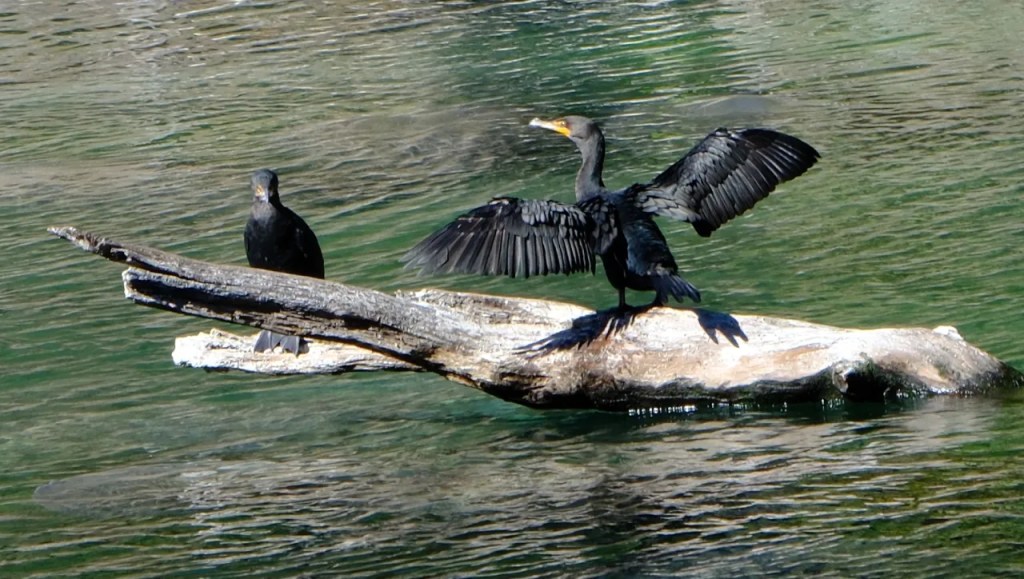
While the manatees are undoubtedly the main attraction, there is plenty more to see.
Wildlife commonly spotted includes:
- Alligators
- Turtles
- Ospreys
- Wading birds
- Fish visible in the clear spring water
The meeting point of Blue Spring Run and the St. Johns River is particularly scenic and worth spending a few extra minutes exploring.
The Historic Thursby House
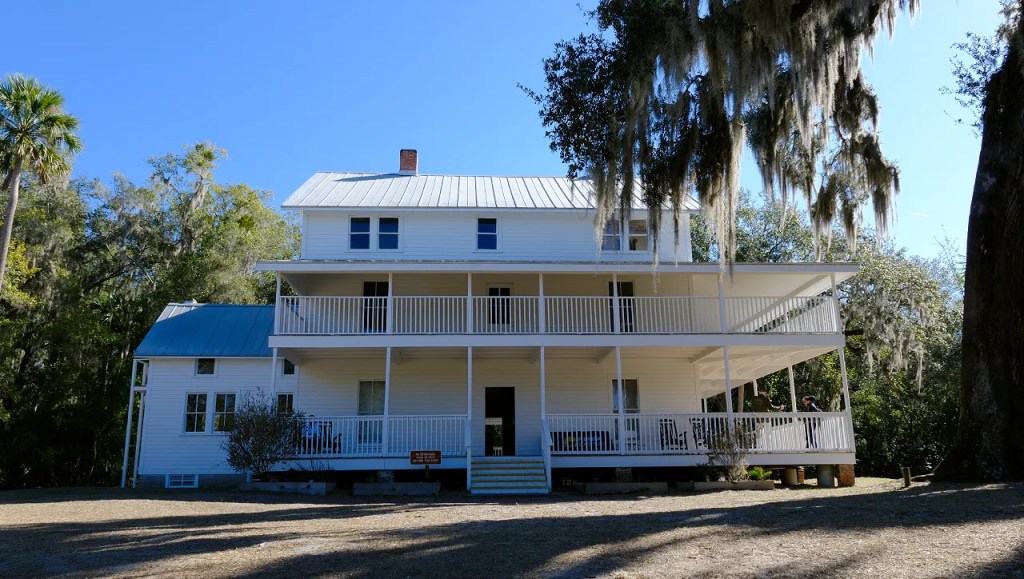
One of the unexpected highlights of our visit was the historic Thursby House.
Located near the second parking area, the house offers visitors a glimpse into Florida’s past. Exhibits explain how Lewis and Mary Ann Thursby arrived from Brooklyn, New York, in 1856 and built a new life along the St. Johns River.
The family established a citrus grove, operated a steamboat landing, and eventually built the home visitors see today.
Walking through the first floor, peeking into the preserved kitchen, and learning about life in nineteenth-century Florida added another layer to the experience.
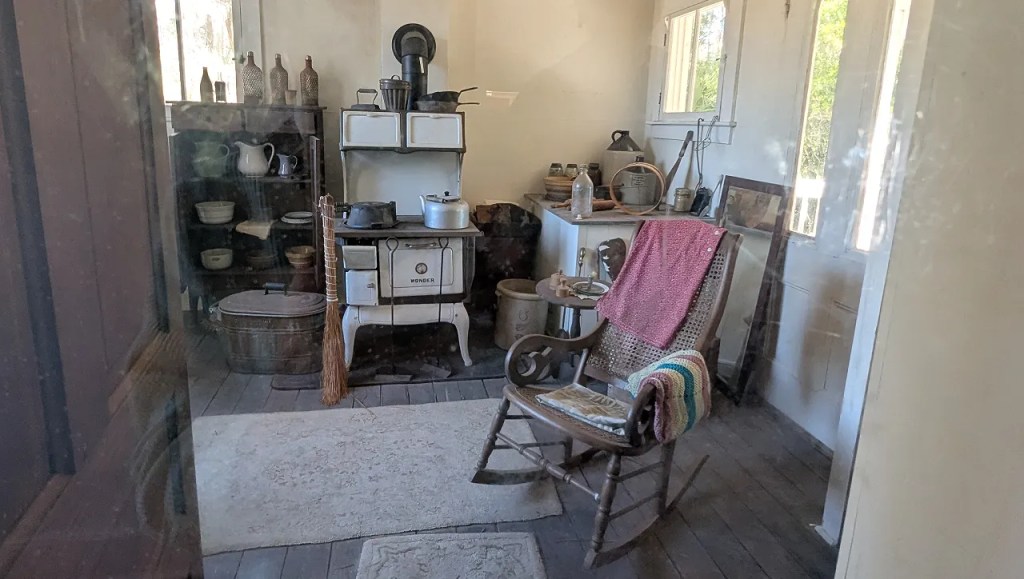
For anyone who enjoys both history and nature, the combination is hard to beat.
The house also played a role in the area’s transition from a transportation hub to a tourism destination after railroads replaced steamboat travel.
In 1972, the State of Florida purchased the property and opened Blue Spring State Park, helping protect the area’s manatees and natural resources from future development.
Tips for Visiting Blue Spring State Park
Arrive Early
This is the most important tip. Winter crowds can be significant, especially on weekends.
Visit During January or February
The largest manatee gatherings typically occur during the coldest part of winter.
Bring Binoculars
You’ll likely spot birds, turtles, and other wildlife in addition to manatees.
Allow Time for the Thursby House
Many visitors focus only on the wildlife and miss this park’s interesting historic attraction.
Check the Weather
Cold weather often means more manatees in the spring.
Is Blue Spring State Park Worth Visiting?
Absolutely.
Florida has no shortage of attractions competing for visitors’ attention, but Blue Spring State Park offers something different. It’s a chance to experience Florida’s natural side while learning a bit about its history.
Watching hundreds of manatees gather in crystal-clear water is something you’ll remember long after your vacation ends.
Whether you’re a wildlife enthusiast, photographer, history lover, or simply looking for one of the best day trips from Orlando, Blue Spring State Park deserves a place on your itinerary.
For us, it was one of those destinations that exceeded expectations.

Leave a Reply