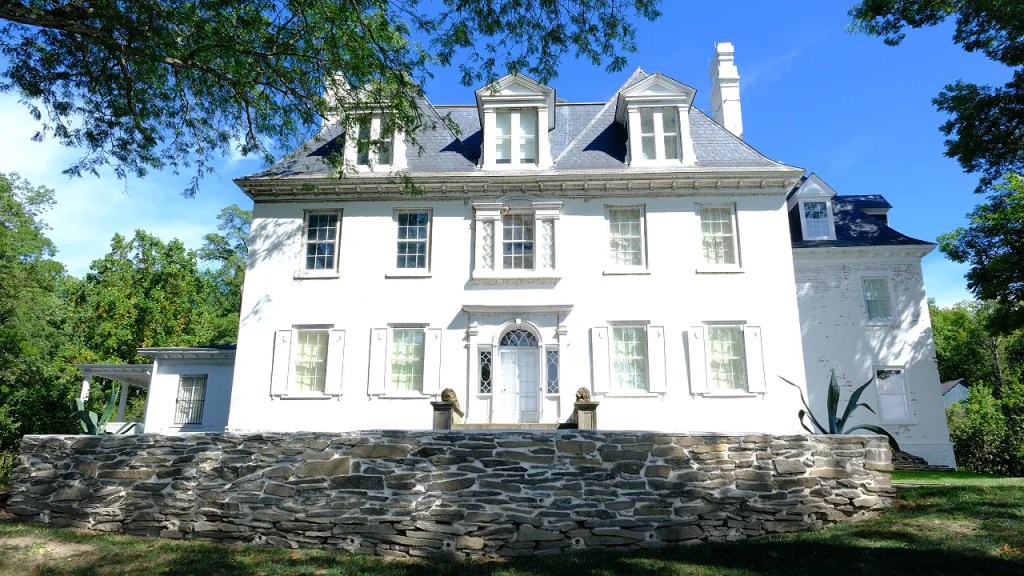
Nestled along the Hudson River, Clermont State Historic Site is more than just a mansion with a view. For over 200 years, it was home to seven generations of the Livingston family, one of the most influential families in New York’s history. Their story is tied to the Revolution, the founding of the United States, and even the Louisiana Purchase. Today, you can tour the house, wander the grounds, and picnic on lawns with sweeping Hudson River views.
The Livingston Legacy
The Livingston family first settled here in 1668, when Robert Livingston (1654 – 1728) was granted 160,000 acres, making him one of New York’s largest landowners. His descendants played key roles in politics and diplomacy, including as recent as both Bush presidents.
His son Robert of Clermont (1688–1775) inherited 13,000 acres and, around 1730, built a large stone and brick Georgian house. By the 1740s, he renamed the estate “Clare Mount,” meaning “clear mountain.” He also added to the family’s holdings by purchasing 500,000 acres of the Great Hardenbergh Patent.
During the Revolutionary War, the estate was burned by the British in 1777 as retribution for the family’s support of independence. Margaret Beekman Livingston (1724-1800), the widow of Robert Livingston (1718–1775), was forced to flee. Undaunted, she returned after the war and rebuilt the mansion in 1783—the home we walk through today.
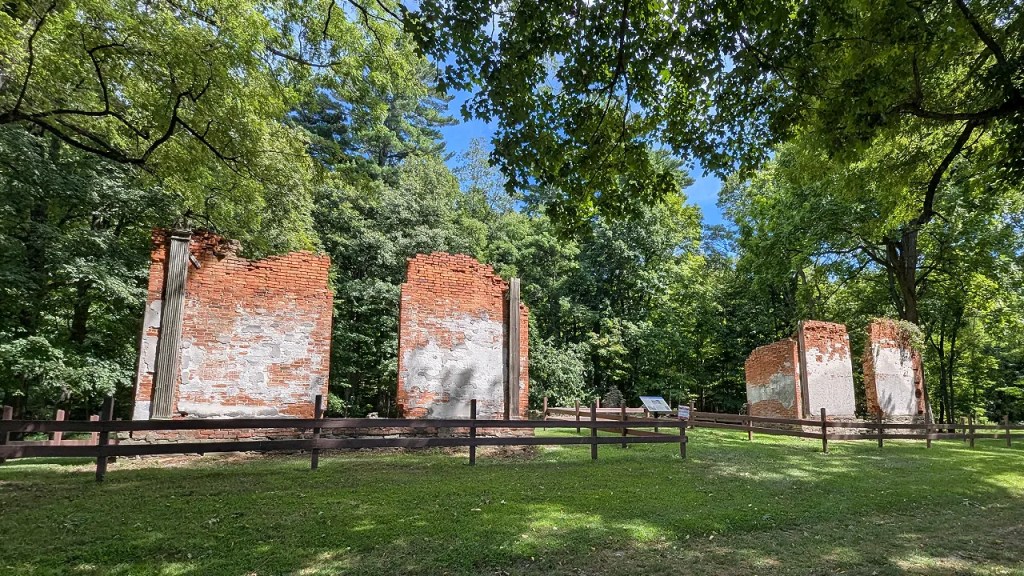
Her son, Robert R. Livingston (1746-1813), stands out as one of America’s great statesmen. He helped draft the Declaration of Independence (though he didn’t sign it), administered the oath of office to George Washington, and as minister to France under Thomas Jefferson, helped negotiate the Louisiana Purchase. When he returned home, he built a grand French-inspired mansion nearby, nicknamed “Arryl House.” Its ruins still stand on the property.
The estate eventually passed to Robert’s daughters. His daughter Elizabeth Stevens Livingston (1780-1829) married her cousin Edward P. Livingston and inherited “Old Clermont”. While his daughter Margaret Maria Livingston (1783-1818), married her cousin Robert Livingston and inherited “New Clermont”. The family line continued a few more generations, with the property owned by the Livingstons expanding, contracting and merging through these generations.
It was costly to upkeep the property and the mansions, so most of it was sold to New York State in 1962. His descendants lived on the property until the year 2000. Today you can explore the property, mansion, buildings and ruins that remain there.
The Visitor Center and Mansion Tour: Stepping Back in Time
You’ll want to start your visit at the Visitor Center to learn more about the family by watching a short movie and looking at the exhibits.
If you have time, the Guided Mansion Tour is highly recommended. For about an hour, you’ll explore two floors filled with rooms that feel more like a family home than a museum.
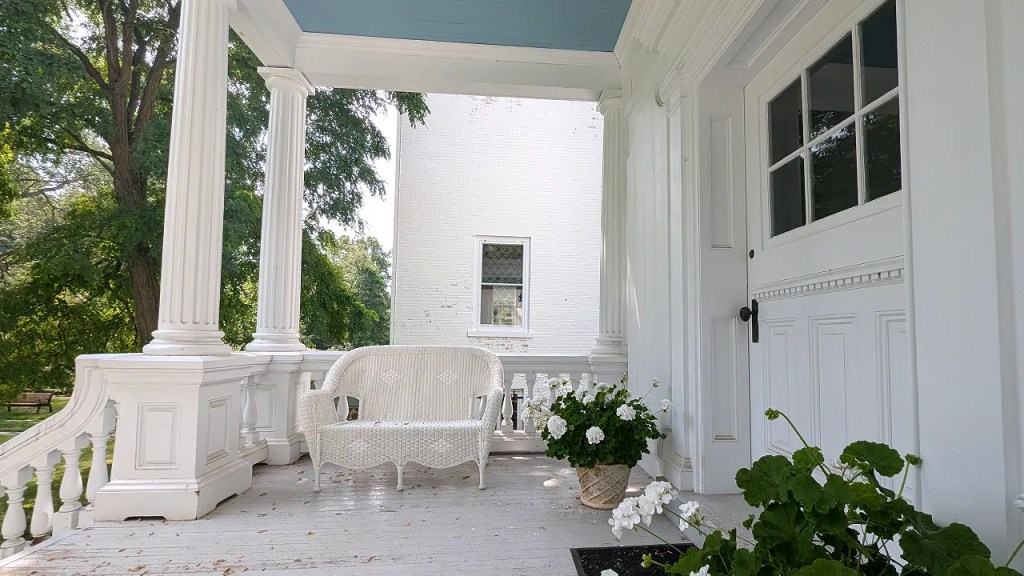
After buying your tickets at the Visitor Center, you’ll meet the docent here on the Front Porch.
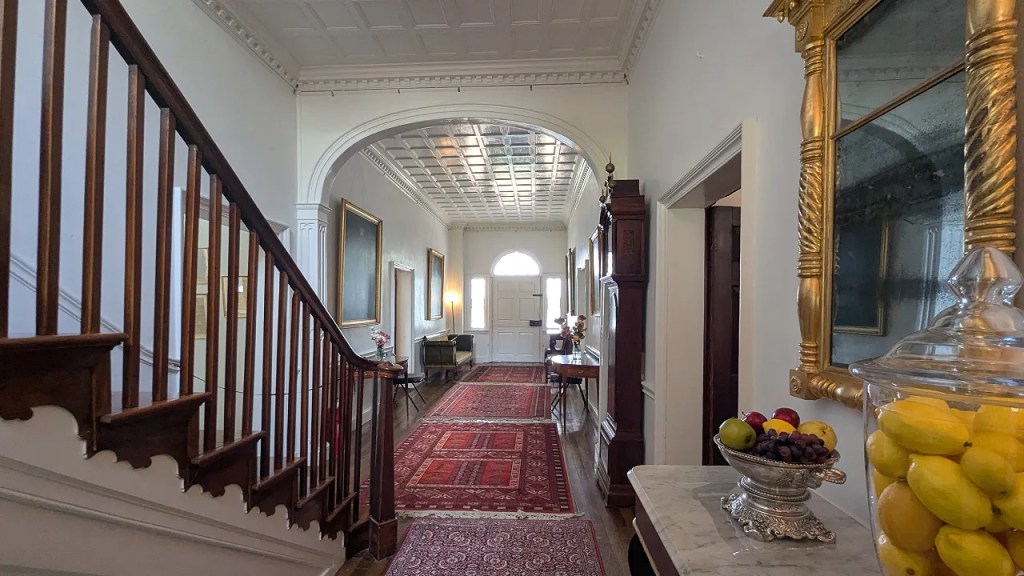
The Foyer: Your tour officially starts here, where you’ll be introduced to the generations of Livingstons.
The Parlor: With its beautiful views of the river and elegant decor, it’s easy to imagine this room as the hub of family, social and political gatherings.
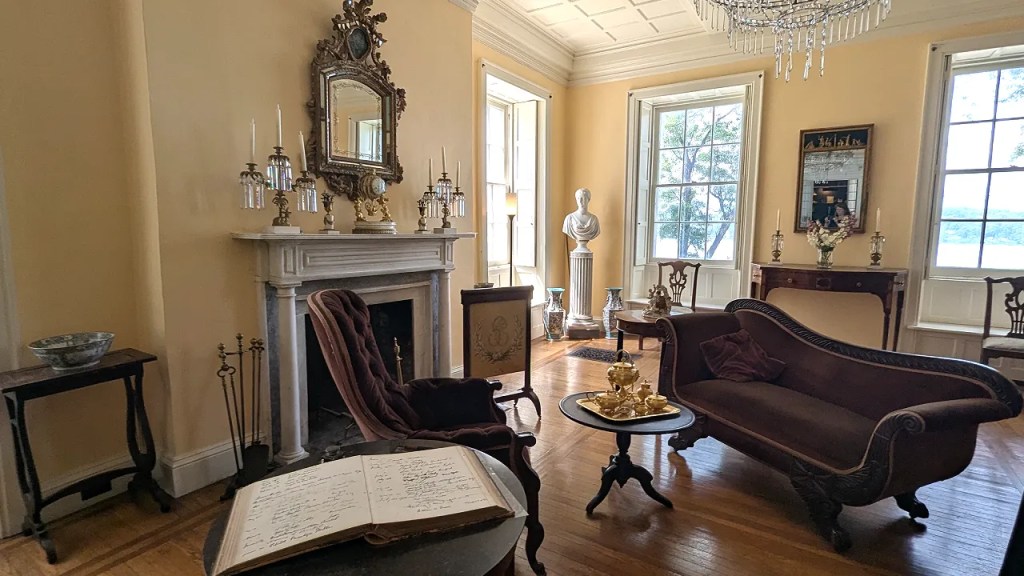
The Library: Shelves of books reflect the intellectual pursuits of the many Livingstons who lived here.

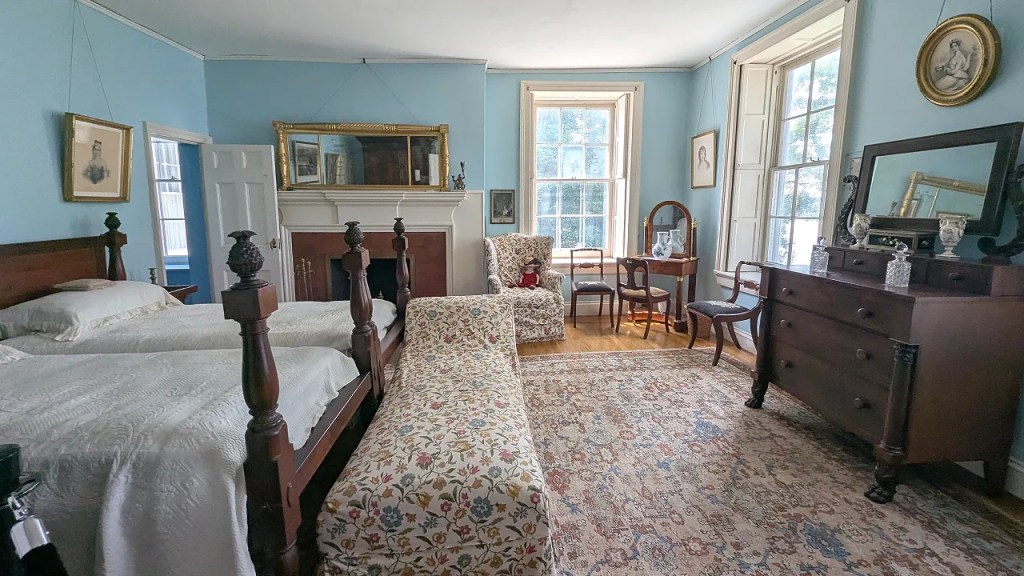
Bedrooms: Furnishings, portraits, and heirlooms offer glimpses into changing styles across generations.
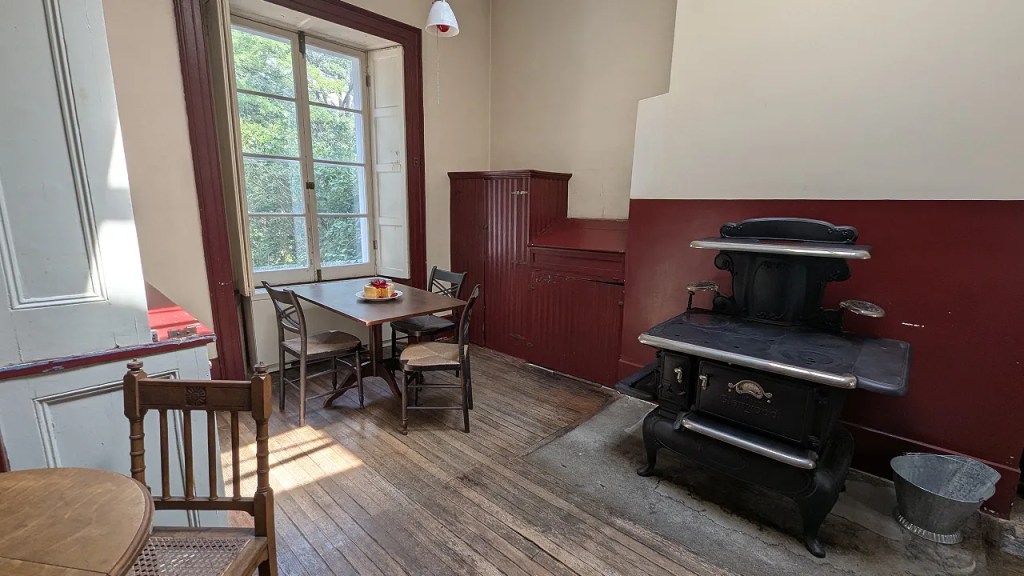
Kitchen: You’ll even get a glimpse “behind the scenes” touring the kitchen and pantry.
The tour does an excellent job of blending personal stories with historical details, making it one of the most engaging house tours I’ve been on.
Exploring the Grounds
Beyond the mansion, the grounds of Clermont invites exploration. Trails wind through woods and fields—some marked, some not—so exploring here feels relaxed and a little adventurous. As you explore, you’ll discover a few buildings and even some ruins.
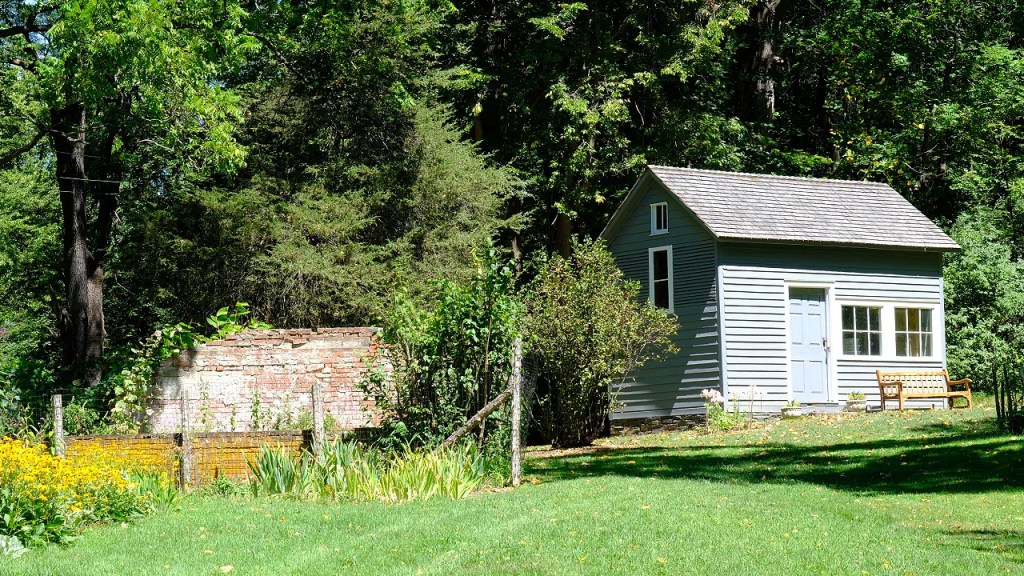
Children’s Playhouse: This 19th Century garden shed was turned into a playhouse for Honoria and Janet Livingston in 1911.
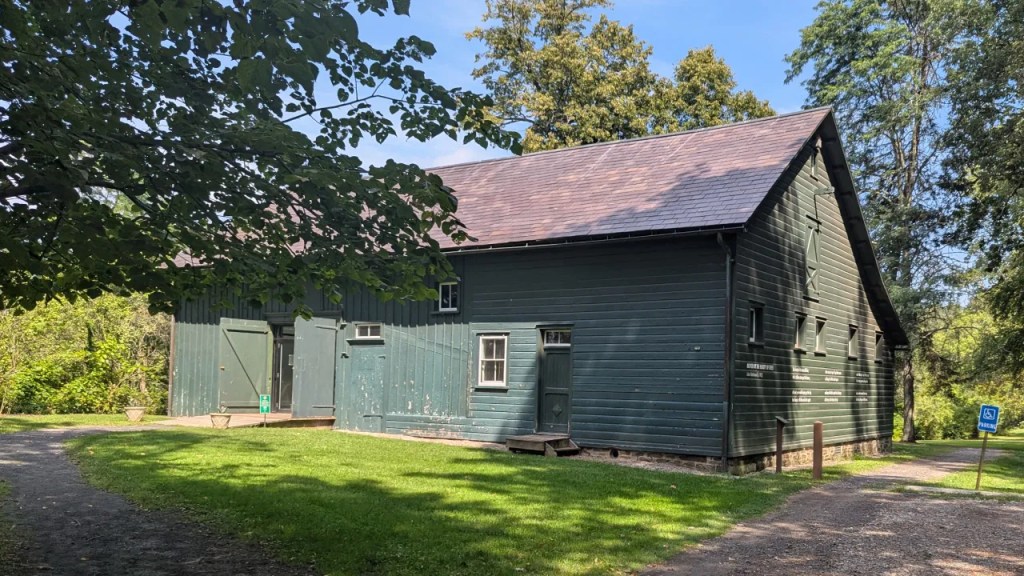
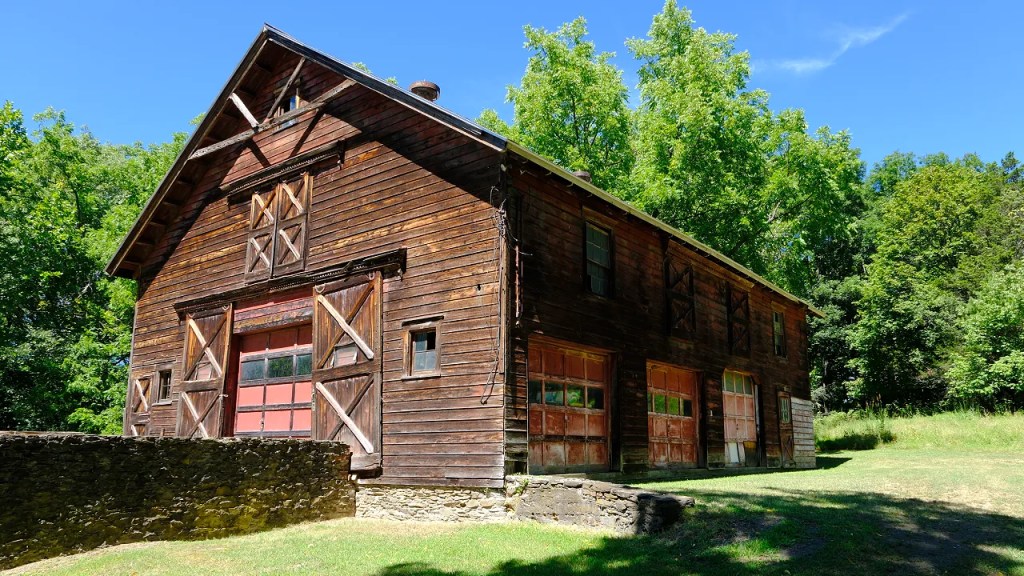
The Red Barn: Bold and photogenic, this barn was built around 1875. It was used to store hay and had stalls for horses.
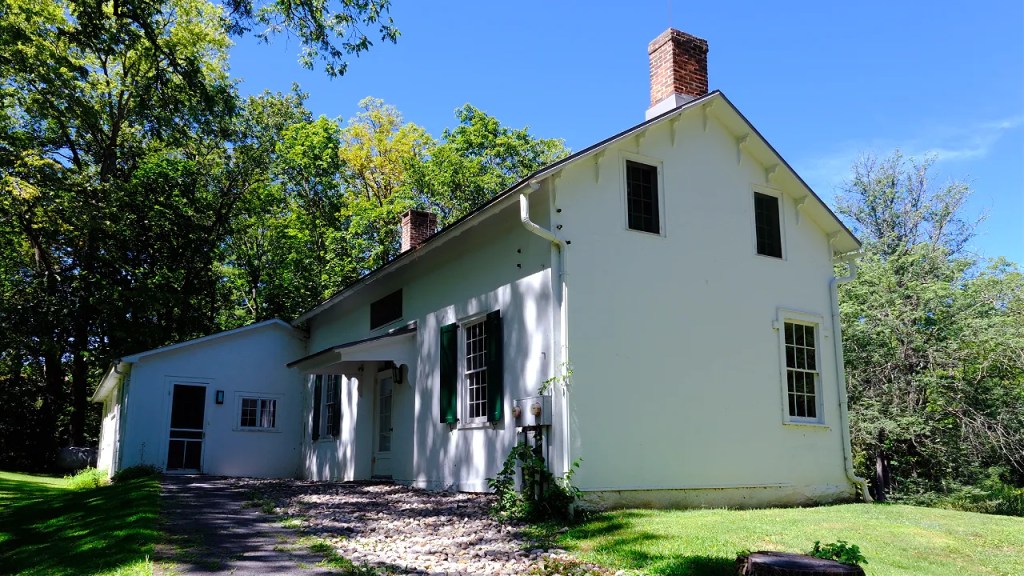
Clermont Cottage: A charming contrast to the mansion, this smaller residence was home to estate staff and later became the main residence for Alice Delafield Clarkson Livingston (1872-1964) after World War II to conserve heating oil.
The Arryl House Ruins: South of the parking lot, you can walk among the remains of Robert R. Livingston’s French-inspired mansion, built in 1793 and lost to fire in 1909.
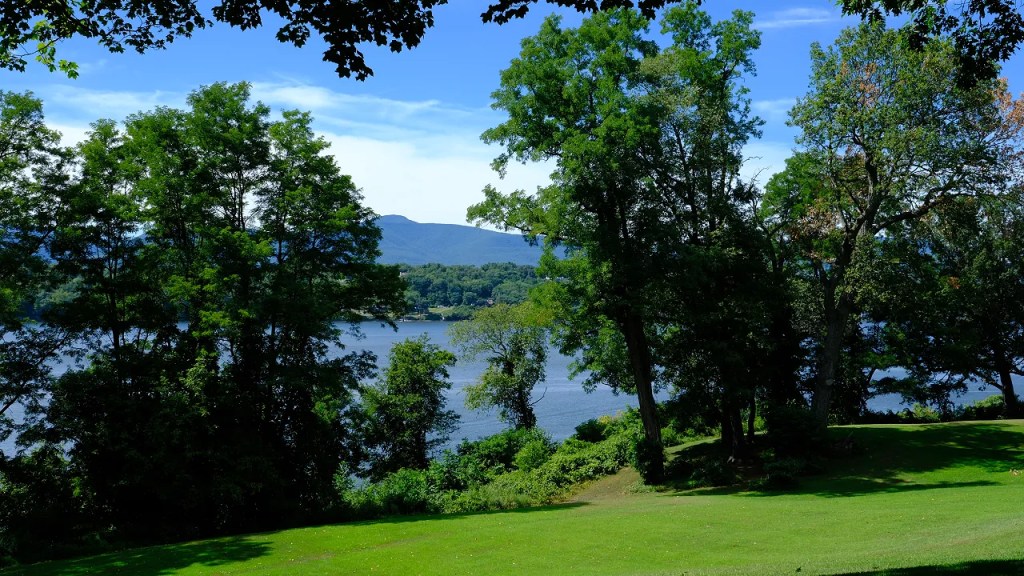
The Lawns: Absolutely perfect for a picnic, with gorgeous Hudson River views to enjoy.
Planning Your Visit
- Grounds: Open every day from sunrise to sunset. Parking fee is $5 per car, collected at one of two kiosks at either end of the lot.
- Visitor Center: Open Thursday–Sunday, 11am–4pm, with a short film and exhibits about the estate.
- Tours: Mansion tours are available Thursday–Sunday, 11am–3pm on the hour. Tickets: $10 adults, $8 seniors/students/groups, children under 12 are free.
- Time Needed: Plan to spend about half a day here, a full day if you plan to picnic and hike the trails.
- What to Bring: A picnic! Food or beverages aren’t available on-site.
- Nearby Eats: Ride over to The Red Hook Diner (about 18 minutes south), where you’ll find bottomless coffee and hearty meals.
Final Thoughts
Clermont State Historic Site combines history with beautiful scenery. You can stand where the British wreaked havoc during the Revolutionary War, admire the mansion that rose from the ashes, and walk trails once strolled by one of America’s founding families. Yet it’s also peaceful, inviting, and approachable—a perfect mix of past and present.
Whether you’re drawn to history, looking for a scenic picnic spot, or just want to wander the gardens and grounds, Clermont is a Hudson Valley treasure worth exploring.

Leave a comment